
In this age and time, promoting a new business requires a wacky sense of marketing. Of course you could go for the same old marketing in traditional media that enables you to understand what seems to be your current demographic and reach out to those people. You could also try and give out leaflets to people in that locality or community urging them to visit your business. However, what you should actually be worried about is the fact that such kind of business ideas have already been used up, populated, and at the end of the day does not warrant any more prodding. Rather, you need something fresh and innovative so as to get the attention of people on your business.
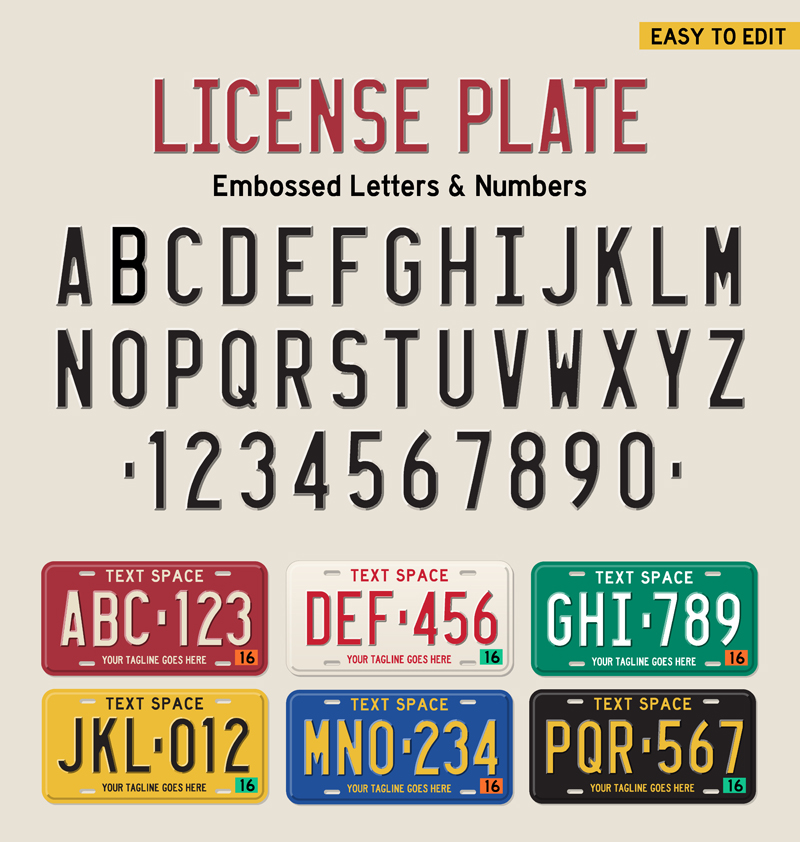
One such venture would actually be to go for a privatised or personalised number plate. This is a unique way to market a business, particularly something which is entirely different from the traditional media that you find. For example, if you are thinking about your plumbing business and you would want to display your business to the people in London, and then one clever way of promoting would be to go for numbers such as LON99PLB or something similar. It not only helps your business get the kind of awareness that it requires, but also lets curious people ask you questions about such a peculiar license plate.
When you have got their attention, you would actually be able to promote your business in a very understanding manner, and without creating any problems for yourself. The best part about this entire exercise is that not only do you get a personalised number plate, but it does not end up costing you thousands of dollars. Moreover, since you are travelling with your private car all around London, such kind of a promotion can be extremely subtle, while ensuring that you do not need to spend any money on such promotional features. At the end of the day, you are not only going to be one grateful person for such an innovative idea, but you would definitely start getting personalised plates for all the vehicles purchased by you and associated with your company. More so, you will be able to pick up your desired plate quickly and easily thanks to the hassle free UK system for finding and registering them.